
The quick answer
- Keep clear of dead or storm-broken limbs and call whenever damage appears rather than waiting for routine pruning season.
- Most shade trees benefit from planned pruning during late winter dormancy, with oak wilt precautions affecting oak schedules.
- Fruit tree species and flowering cycles change the timing, so spring-flowering ornamental trees generally need attention after bloom.
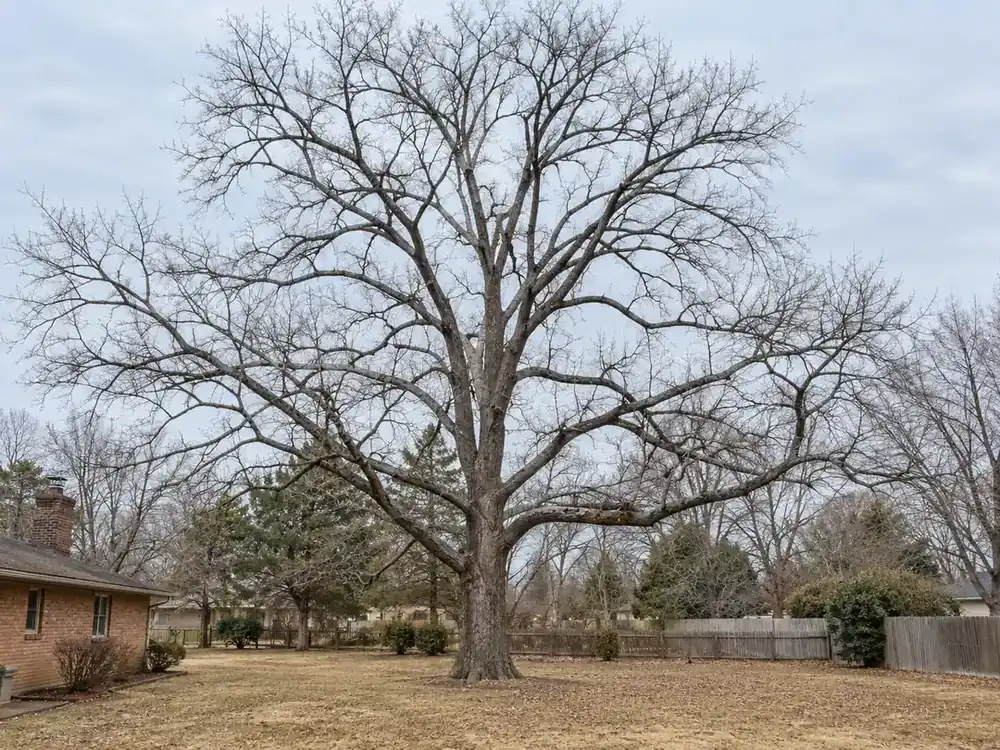
Pruning Seasons Depend on Tree Type and Condition
Keep clear of a cracked limb or newly leaning tree and call about the concern now. Tree species and condition determine when trees should be trimmed, while damage calls for assessment whenever it appears. Your technician explains when to trim tree branches based on the tree's condition and what the pruning needs to accomplish.
Safety takes priority over the calendar
Stay well away from any downed or sagging wire and treat it as live. Ameren's safety advice says never to remove a limb from a power line. Call Ameren Illinois in Illinois or Ameren Missouri in Missouri about affected lines, or 911 for an emergency. Leave work near wires to utility-directed specialists.
Keep people, pets and vehicles outside the area beneath damaged branches. Never use a ladder with a saw or attempt climbing, roping or cutting loaded branches. Take photos only from a safe distance and share what you noticed during the call.
Dormant shade trees and seasonal exceptions
Leave overhead pruning to trained workers, even when branches are bare. Illinois Extension identifies the late dormant season as the optimal period for routine tree pruning. Bare branches make the structure easier to assess. For most shade trees, late winter is a useful planning window, subject to species and condition.
The tree trimming time of year follows the purpose of the work as well as the species. Illinois Extension's seasonal recommendations distinguish summer growth control from routine dormant pruning and advise waiting for dormancy for fall work. Tree trimming in summer needs a specific reason; tree trimming in fall should not automatically begin when the first leaves change.
Oaks need a separate disease precaution
Keep away from damaged oak branches and call for assessment rather than attempting seasonal pruning yourself. In Illinois, University of Illinois Extension's oak wilt guidance cites advice to avoid oak pruning in April, May, and June because of oak wilt.
In Missouri, the Missouri Department of Conservation's oak wilt advice says to avoid pruning or damaging oaks from mid-March through June. Those windows are source-specific precautions, not instructions to ignore a broken limb. Discuss damage now so your technician can plan necessary safety work.
Fruit and flowering trees follow different schedules
Stay on the ground when discussing apple tree pruning and when it should happen. Illinois Extension's fruit tree guidance places heavy pruning in the latter dormant season, preferably February 1 to March 15 in the southern half of Illinois. Peach and nectarine trees are exceptions, with pruning just before or during bloom. Species identification matters when pruning trees for fruit production.
For spring-flowering ornamental trees, Illinois Extension guidance recommends pruning after bloom to preserve the flower display. The table separates those routine timing goals.
| Tree or condition | Timing consideration |
|---|---|
| Most shade trees | Late dormant season for planned structural work |
| Oaks | Observe the state-specific oak wilt precautions above |
| Apples and pears | Plan around the late dormant season |
| Peaches and nectarines | Species guidance favors just before or during bloom |
| Spring-flowering ornamental trees | After bloom when preserving flowers is the goal |
| Dead or storm-broken limbs | Seek assessment whenever damage appears |
Damage and pruning limits need individual assessment
Keep clear of broken wood regardless of the month. Illinois Extension allows dead-branch pruning at any time and rejects topping and flush cuts. Storm damage can also require work outside the routine season, as its pruning discussion explains.
Whether a tree will die if you cut branches depends on its condition and the extent of damage. Excessive pruning can harm the tree; the Missouri Department of Conservation explains that weak trees may tolerate less pruning. Call to discuss professional pruning, and our network of local tree service professionals will help plan the timing and scope.