
Safety first · Property managers
Commercial Tree Service in Collinsville, IL
Keep tenants, customers and cars away from broken limbs; our local tree service professionals handle commercial tree work in Collinsville. Call about parking lots, shared grounds or trees beside buildings, and your tree pro will plan the work around the property.
- Calls answered 24/7
- HOAs, apartments and businesses
- Serving Collinsville and nearby
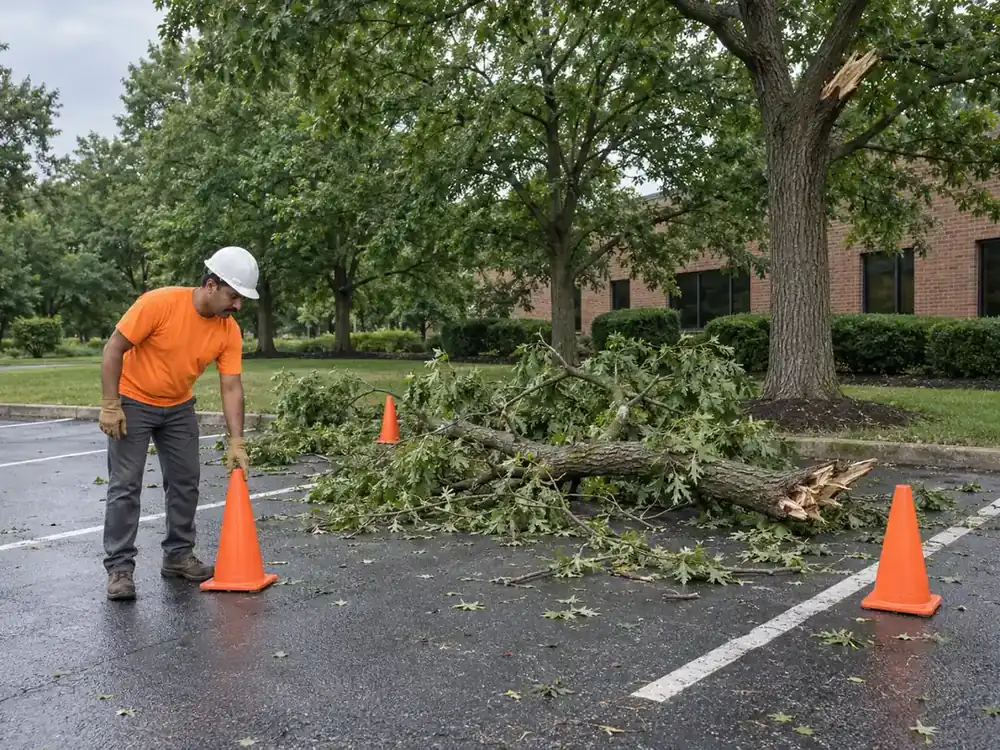
Keep People Clear of Damaged Property Trees
Safety first
Keep tenants, customers, students and cars outside the area beneath a broken or hanging limb, using cones or tape only from a safe position; OSHA recommends controlling access around tree work drop zones. Call now to describe the damaged tree and the entrances or parking spaces affected.
Treat downed wires as live, stay away from anything they touch and report them to the utility, following Ameren's downed wire guidance. Call 911 for an immediate emergency. Leave line hazards to the utility.
Tree work belongs with trained tree workers, rather than maintenance staff; OSHA's tree care guidance addresses job skills, electrical hazards and work zone training. Take photos only from a safe distance, without entering the closed area.
Commercial Properties Served Around Collinsville
Keep damaged tree areas separate from everyday property traffic, and call about commercial tree service for these properties.
- Apartment and condo communities: Clearance pruning opens space above shared walks and parking, while storm cleanup addresses fallen limbs on common grounds.
- HOAs and common ground: HOA tree trimming addresses branches beside shared paths, with tree removals and stump grinding planned around residents using the grounds.
- Office parks: Tree service for property managers includes pruning beside buildings and drives, plus removal of failing trees near employee parking.
- Retail centers and parking lots: Parking lot tree trimming addresses low branches over customer spaces, delivery routes and storefront approaches without treating every tree alike.
- Churches and schools: Tree work addresses damaged limbs, entrance clearance and stumps near gathering areas, with pedestrian routes included in the work plan.
- Warehouses and industrial lots: Clearing overgrown fence lines and pruning beside access roads creates room around loading areas and the edges of buildings.
- Medical offices and hotels: Pruning, removals and cleanup account for entrances, guest parking and foot traffic that continues during business hours.
Tree Problems Across Parking Lots and Common Ground
Keep people away from damaged branches and obstructed routes, and call about the tree problem affecting your property.
- Storm limbs across parking: Keep cars and pedestrians outside the affected spaces. Storm cleanup removes fallen wood and addresses remaining broken limbs before the area returns to use.
- Low branches over walks: Direct pedestrians around branches blocking a walkway. Clearance pruning addresses the interfering growth above walks, parking spaces and routes used by delivery vehicles.
- Dead ash or failing trees: Keep residents clear of loose limbs along common ground or a property line. Commercial tree removal addresses trees that your technician determines need taking down.
- Branches against a building: Keep staff off roofs and away from damaged limbs. Pruning separates branches from roofing, gutters or signs after your tree pro checks the tree and access.
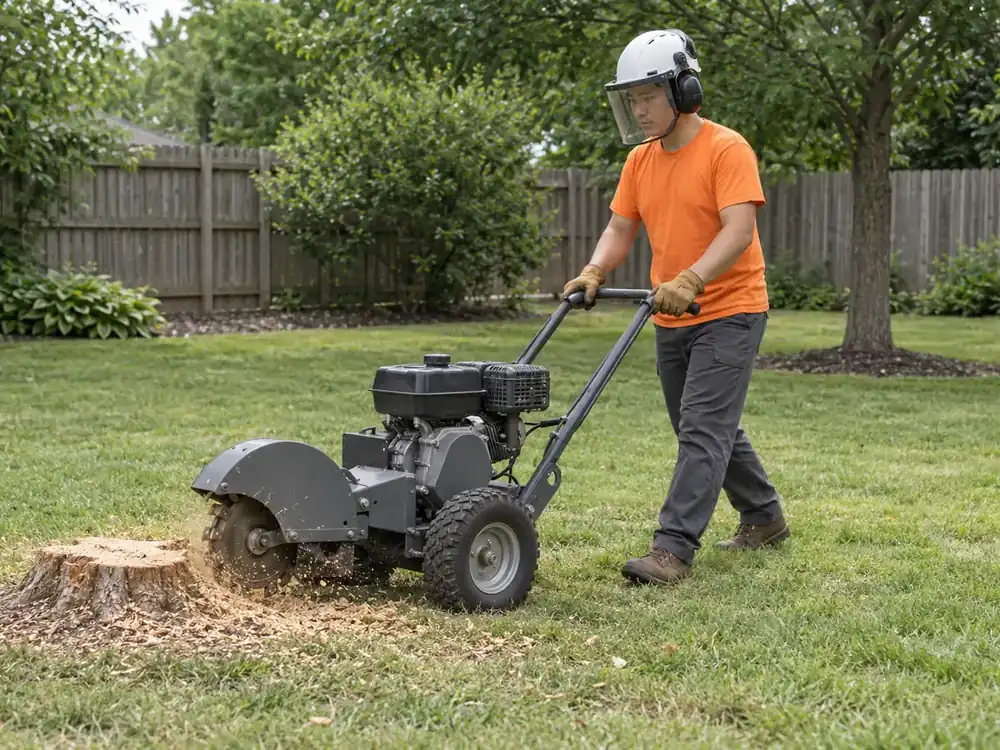
- Stumps from earlier removals: Keep foot traffic away from uneven ground around an old stump. Grinding addresses the remaining wood, with chip handling and ground finishing specified separately.
- Overgrown lot edges: Keep maintenance staff clear of hanging growth behind the building. Clearing addresses unwanted brush and trees along the agreed fence line or lot boundary.
Leave tree work to trained tree workers, rather than assigning the job to maintenance staff.
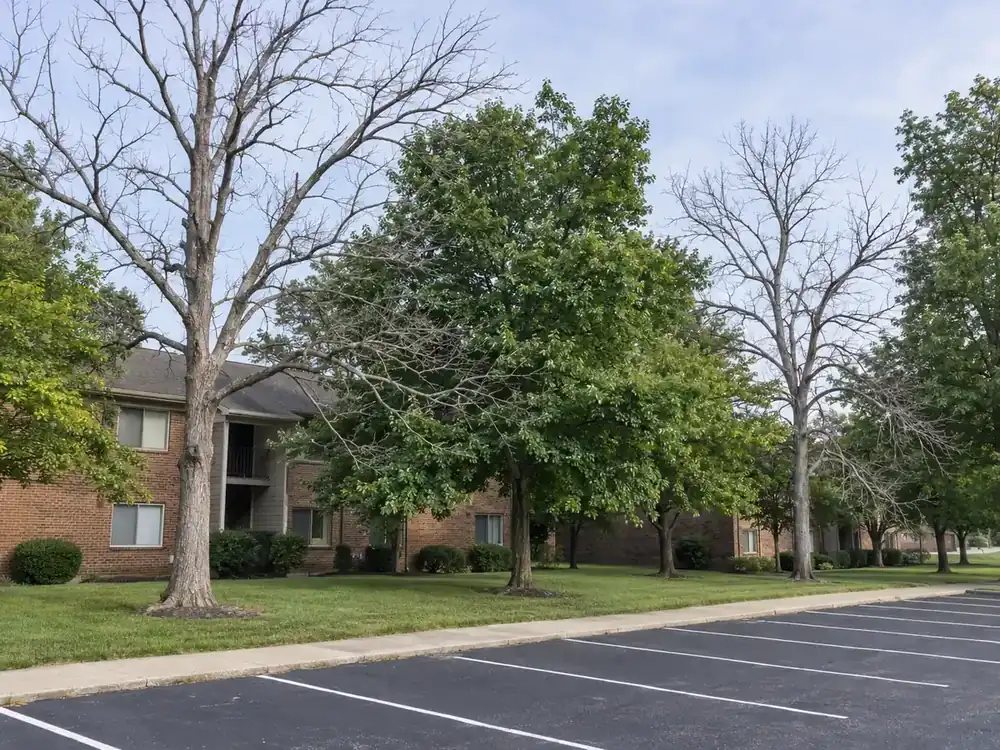
Tree Work Planned Around Property Use
Keep the affected area closed while the tree work needed to reopen it is assessed.
| Option | When it fits | What it involves |
|---|---|---|
| Make it safe now | Broken or hanging limbs block a shared area. | Trained tree workers remove damaged limbs and clear debris so the affected area can reopen safely. |
| Prune for clearance | Branches crowd walks, drives, parking spaces or roofs. | Selected pruning creates clearance while accounting for the tree's condition and surrounding property use. |
| Remove the tree | A dead, split or failing tree needs removal. | The removal plan accounts for buildings, neighboring property, wires and space for handling the wood. |
| Grind the stumps and clean up | Remaining stumps interrupt use of common ground. | Grinding, chip removal and the agreed ground finish address the space left after tree removal. |
Your tree pro decides on site which option fits the tree, the surroundings and the property's access needs.
From Your Call to Finished Property Work
- Keep people clear and call about the property, the affected trees and what happened; describe occupied buildings, parking and entrances during the conversation.
- Your local tree pro takes it from there, discussing the tree problem and the manager, board member or owner responsible for the work.
- Your technician walks the property and explains the safety plan, work scope and price before work starts, including how tenants, customers and cars stay clear.
- Tree work and cleanup follow the agreed scope, with notes and receipts for the property manager, HOA board or owner to keep.
Useful Records for Managers and HOA Boards
Stay outside the closed work area while gathering records, and call to discuss the paperwork your property needs.
- Photos: Keep pictures of the tree or limb taken from a safe distance, plus views of the finished site after the area reopens.
- Written scope: Save your tree pro's description of the trees pruned or removed and the stumps ground, identified by location.
- Receipts: Retain the receipt with the agreed work description and any related cleanup details.
- Tree log: Record which tree, where it stands, what was done and when, so future managers can follow the property's tree work history.
What Affects Commercial Tree Service Cost in Collinsville
Keep parking and foot traffic clear of damaged trees, and call to discuss the work and its cost factors.
- The number of trees, their height, trunk width and condition.
- Buildings, parked cars and wires close to the work area.
- Space and ground access for a bucket truck or crane.
- Open hours, tenant access and parking arrangements during the job.
- Storm damage or work needed outside normal business hours.
- Wood hauling, brush cleanup, stump grinding and the agreed ground finish.
One of our local tree service partners explains the proposed work and price with you before starting. Read more about what shapes removal costs when a tree needs taking down.
Practical Reasons Property Managers Call
Keep the affected property area clear and call to put the tree problem in motion.
- Calls answered 24/7: Report a damaged tree whenever you notice it, including outside office hours, and describe the property's immediate access concerns.
- One call starts the job: Reach a local tree service professional for removal, pruning, storm cleanup or stumps, including work across shared grounds.
- A defined plan: Your technician explains how people stay clear, what the work includes and the price before tree work begins.
- Records for the property: Written work details, receipts and photos from safe positions give managers and boards a useful record of the job.
- Area coverage: Commercial calls cover Collinsville, the Metro East and St. Louis, helping owners discuss tree work at properties across the service area.
Homes too
Tree Services for Your Home Too
Keep clear of damaged limbs at home too, and use the same number for removal, trimming or stumps at your own property.
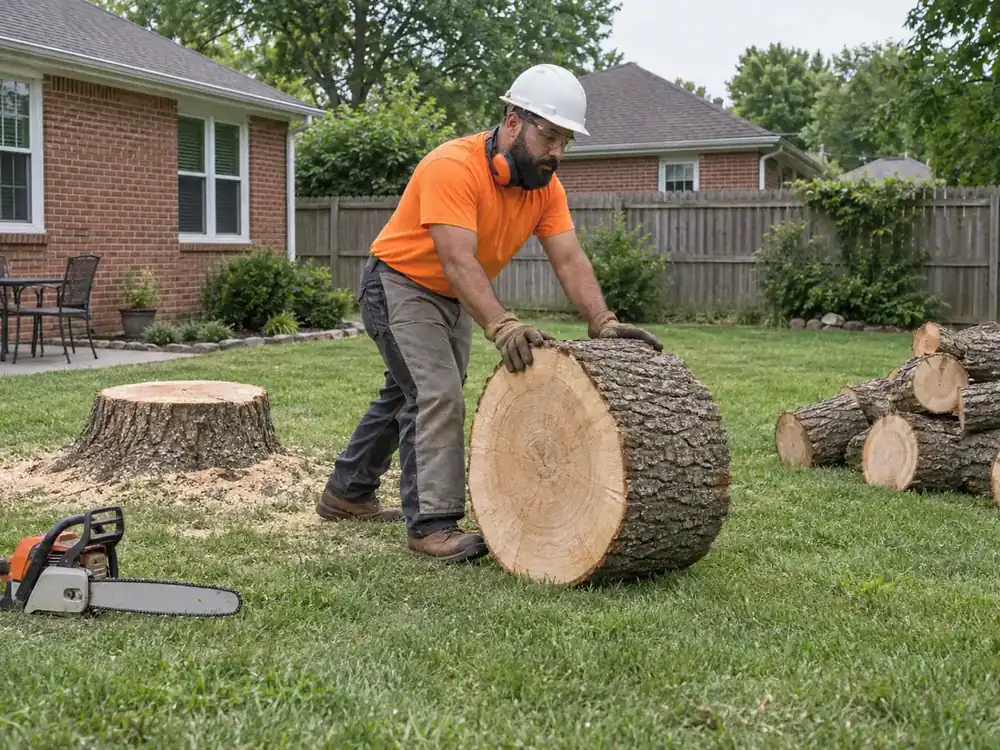
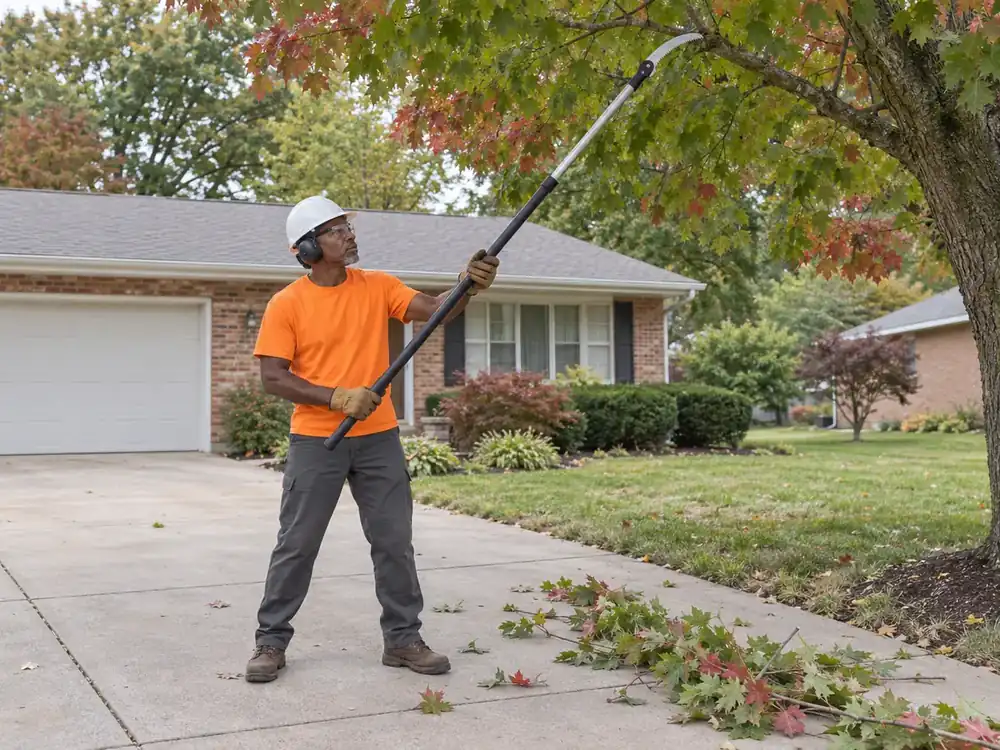
Commercial Tree Work Around Collinsville and St. Louis
Keep tenants and customers outside damaged tree areas, and call for commercial tree work across Collinsville, the Metro East and St. Louis, including pruning, removals and stumps for managed properties.
Commercial Tree Service FAQs
Can I call the same number for commercial properties and homes?
Yes, call the same number for tree work at commercial properties and homes. Keep people away from damaged limbs and call about the location, whether you manage an apartment community or need work at your own home. Removal, pruning, storm cleanup and stump grinding can be discussed during the call.
Which kinds of commercial properties are covered?
Commercial tree service covers HOAs, apartment and condo communities, office and retail properties, churches and schools, among other business properties. Keep occupied areas separate from any damaged tree. Call about shared grounds, parking, entrances or trees beside buildings, and your technician will account for how people use the property.
What should a manager do when storm limbs land on a parking lot?
Keep people and cars out of the affected parking spaces and call about the fallen limbs. Place cones or tape only from a safe position, away from hanging branches. Treat any downed wire as live, stay well away and call the utility or 911 for an emergency; leave anything touching wires alone.
Can maintenance staff take care of damaged trees themselves?
No, damaged tree work is for trained tree workers rather than maintenance staff. Keep staff outside the affected area; they can direct occupants away without approaching the tree. Call to describe the broken limbs, lean or blocked route, and leave the assessment and tree work to your tree pro.
What records should a property manager or HOA board keep?
Keep the written work scope, receipts, photos taken from a safe distance and a simple tree log. Identify each tree by its position on the property and record the work date. Finished site photos can document cleanup after the area reopens. Ask about work notes during your call so the paperwork fits the property's records.
What affects the cost of commercial tree work?
Tree size, condition, quantity, nearby buildings, wires and access all affect commercial tree work costs. Keep people clear of damaged trees while discussing the job. Parking restrictions, operating hours, storm work, hauling and stump grinding also shape the scope. Your tree pro explains the planned work and price before the job starts.
Keep tenants and customers clear of damaged trees, and call now about pruning, removals or storm limbs on the property you manage.
Call (618) 328-6660